Okay, let’s craft a creative intro for an article about this legislative dialogue, playing with different angles and tones while keeping the core facts clear. Since the tone was left blank, I’ll offer a few options with slightly different creative feels.
Here are a few creative options for your introduction:
Option 1 (Metaphorical – Architecture/Building):
The nation’s safety framework isn’t built of brick and mortar, but of intricate policies, interconnected agencies, and strategic foresight – a vast national security architecture. On Monday, the elected architects and engineers of our republic convene not with blueprints and cranes, but with words and deliberation. They gather for a crucial legislative dialogue, pulling back the curtain to examine the very foundation upon which our collective safety rests, preparing to identify strengths, illuminate vulnerabilities, and perhaps, lay the groundwork for necessary reconstruction in a rapidly changing world.
Option 2 (Evocative – Vigilance/Threats):
In a world where threats shift shape like shadows at dawn, the vigilance required to secure a nation is ceaseless. The complex engine that powers this watchfulness – our national security architecture – must be constantly tuned and understood. Come Monday, that understanding moves centre stage as representatives are set to engage in a focused legislative dialogue, trading the usual legislative rhythm for a concentrated dive into the intricate systems designed to protect the homeland, aiming to sharpen the tools and reinforce the gates against unseen dangers.
Option 3 (Action-Oriented – The Act of Dialogue):
The gears of governance are set to shift towards a critical examination. On Monday, the halls of power will host more than routine debate; elected representatives are scheduled to convene a dedicated legislative dialogue, specifically focused on dissecting, understanding, and potentially realigning the national security architecture of the nation. This is where policy meets preparedness, where strategy is debated, and where the collective will seeks to forge a stronger shield for the future through focused, high-level discussion.
Choose the one that best fits the overall style and angle of your article! Good luck!
Table of Contents
- What security paradigms crumble? Legislators confront tomorrow’s threats today.
- Decoding digital borders and invisible enemies: Crafting resilience in cyberspace.
- From siloed defense to seamless synergy: Blueprinting integrated national response.
- Beyond rhetoric: Legislative mandates for a fortified nation state.
- The Way Forward
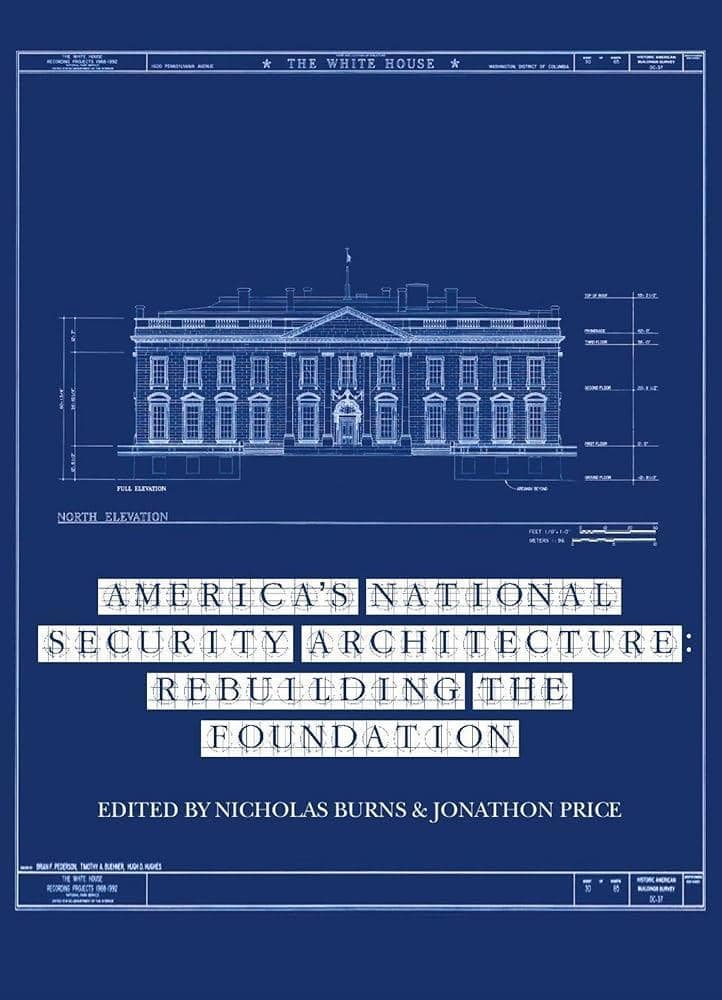
What security paradigms crumble? Legislators confront tomorrow’s threats today
The familiar fortifications and clear battle lines of post-war security doctrines are yielding to a new, far more fluid, and insidious landscape. National security is no longer solely defined by the strength of borders or the size of standing armies. Instead, legislatures grapple with threats that thrive in the unseen currents of digital space, the manipulation of information, and the dizzying pace of technological advancement. The foundational paradigms inherited from the 20th century are not merely aging; they are actively crumbling under the weight of challenges previously confined to science fiction or academic papers.
Confronting tomorrow’s threats today demands a radical rethinking, moving beyond reactive measures to proactive foresight. Lawmakers face the complex task of legislating against phenomena that evolve faster than the legislative process itself. This requires addressing vulnerabilities in critical infrastructure exposed through cyber means, protecting democratic processes from sophisticated disinformation campaigns, and understanding the implications of emerging technologies like AI and quantum computing on the balance of power. The challenge is to forge
Decoding digital borders and invisible enemies: Crafting resilience in cyberspace
The traditional notions of walls and lines in the sand crumble in the face of the digital frontier. Our new battlespaces are invisible, woven into the very fabric of connectivity. Here, borders aren’t marked by fences, but by firewalls, encryption keys, and lines of code. Enemies don’t wear uniforms; they are amorphous entities, sometimes nation-states, sometimes lone wolves, often cloaked in anonymity, wielding exploit kits and phishing lures as their primary weapons. Understanding this transformed landscape – where malicious packets can traverse continents in milliseconds and intellectual property is stolen without a single broken window – is the foundational step in defending our collective future. It’s about seeing the unseen vulnerabilities and acknowledging that every connected device is a potential gateway.
| Invisible Enemy | Resilience Layer |
|---|---|
| Ransomware Crypts | Regular Backups, Patching |
| Phishing Swarms | Awareness Training, Filters |
| Data Spies | Encryption, Access Control |
Building resilience in this ethereal domain requires more than just high-tech shields; it demands a paradigm shift in how we think, legislate, and collaborate. It’s about cultivating a robust digital immune system at every layer of society – from critical infrastructure operators to individual citizens. This isn’t a passive defense; it necessitates proactive measures, constant adaptation, and shared responsibility. Crafting this resilience narrative involves:
- Empowering individuals with cybersecurity literacy.
- Strengthening public-private partnerships for threat intelligence sharing.
- Developing agile policies that can keep pace with evolving threats.
- Investing in innovative defenses and secure architectures.
It’s a continuous process of learning, adapting, and fortifying ourselves against threats that seek to undermine trust, disrupt services, and steal our secrets in the vast, interconnected unknown.

From siloed defense to seamless synergy: Blueprinting integrated national response
The complex tapestry of modern threats – woven from cyber incursions, hybrid warfare tactics, disinformation campaigns, and traditional security challenges – demands a defense architecture that is less a collection of fortified towers and more a resilient, interconnected web. For too long, critical national response functions have operated within their own distinct spheres, leading to potential overlaps, gaps, and slowed reaction times when milliseconds count. The challenge isn’t merely upgrading individual components; it’s about dismantling the conceptual and operational walls that have historically separated defense, intelligence, law enforcement, critical infrastructure protection, and even public health responses. This fragmentation hinders comprehensive threat assessment and paralyzes unified action, leaving the nation vulnerable at points of friction between these essential domains.
Monday’s legislative dialogue signals a crucial step towards forging this indispensable cohesion. It’s not just a meeting; it’s the initial drafting session for a transformed national security blueprint. The focus must shift from merely defending against specific threats in isolation to building an adaptive ecosystem capable of anticipating and neutralizing challenges across all vectors simultaneously. Key areas ripe for radical integration include:
| Current Approach | Synergy Goal |
|---|---|
| Isolated Data Streams | Unified Intelligence Picture |
| Distinct Command Chains | Joint Operational Frameworks |
| Varying Tech Platforms | Interoperable Systems |
Achieving this seamless interface requires legislative frameworks that mandate collaboration, incentivize shared expertise, and enable flexible resource deployment across agencies. It necessitates investing in cross-domain training and developing common protocols for information sharing and coordinated action. This dialogue is the critical first step in translating the urgent need for synergy into actionable policy and a genuinely integrated response capability.
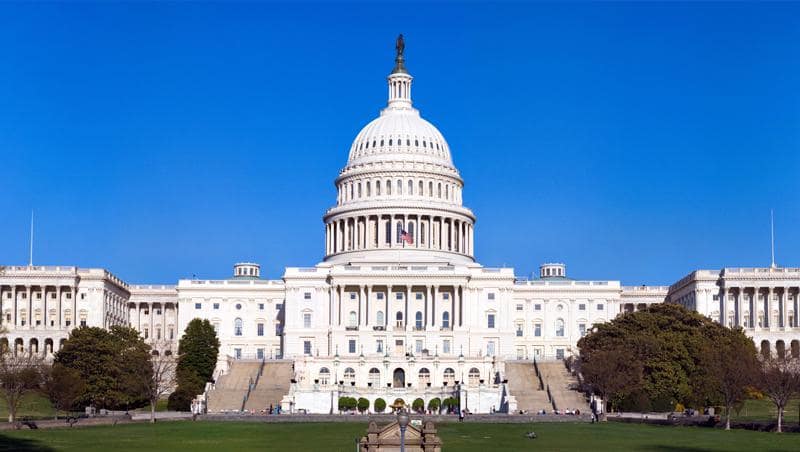
Beyond rhetoric: Legislative mandates for a fortified nation state
The pivot from protracted national security discussions to genuinely enforceable legislative mandates represents a critical juncture. While dialogue remains foundational, the complex, evolving threats facing the nation demand more than insightful pronouncements. We must transition to a framework grounded in clearly defined legal obligations and governmental accountability. This involves codifying strategies, ensuring sustainable funding, and establishing robust oversight mechanisms. The era of relying solely on executive discretion or ad-hoc responses must yield to systemic, statutory imperatives that guarantee resilience across all domains.
Forging a truly fortified nation-state hinges on foresight baked into law. This legislative baking process must address contemporary vulnerabilities often overlooked in traditional security paradigms. Consider mandated actions in areas like:
- Critical Infrastructure Protection: Establishing legal duties for operators and governmental support structures.
- Cyber Sovereignty: Requiring minimum standards and response protocols for national data and networks.
- Supply Chain Security: Introducing legislation that mitigates dependence on high-risk sources.
- Inter-Agency Data Sharing: Mandating seamless, secure information exchange across branches and levels of government.
These aren’t optional ‘shoulds’ but vital ‘musts’ requiring the teeth of law to transform aspiration into operational reality. A potential legislative agenda might even be structured around concrete pillars, perhaps outlined in a foundational act, such as this simplified example:
| Pillar | Core Mandate Example |
|---|---|
| Cyber Resilience Act | Mandated reporting thresholds for critical sector breaches. |
| Inter-Agency Coordination Law | Legal framework for joint threat assessment and resource pooling. |
| Domestic Supply Chain Security Act | Incentives & requirements for critical component sourcing. |
This structured approach moves the security architecture from a conceptual blueprint to a legally binding operational manual for the nation’s defence.
The Way Forward
As Monday’s legislative dialogue approaches, the halls of power buzz with anticipation, poised to reshape the very framework that safeguards our nation. This convening is more than a discussion-it’s a pivotal moment where ideas converge, policies are forged, and the architecture of our national security takes shape. Stay tuned as the Representatives embark on this critical journey, laying the groundwork for a stronger, more resilient tomorrow. The dialogue begins, and with it, the promise of a safer future for all.