Controversy as Tinubu Grants Posthumous Pardon to Ogoni Nine
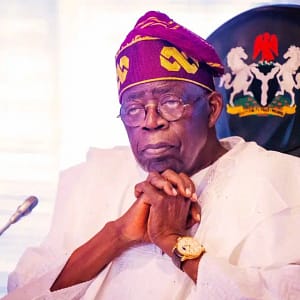
In a move that has sparked intense debate across Nigeria and beyond, President Bola Ahmed Tinubu has granted a posthumous pardon to the Ogoni Nine, a group of environmental activists who were executed in 1995 under the military regime led by General Sani Abacha. The pardon, announced last week, seeks to formally clear the names of these nine Ogoni leaders, including the renowned activist Ken Saro-Wiwa, whose deaths galvanized international attention to the environmental degradation and human rights abuses in Nigeria’s oil-rich Niger Delta region.
Background of the Ogoni Nine
The Ogoni Nine were activists from the Ogoni ethnic group in the Niger Delta, a region plagued by oil pollution from multinational oil companies, primarily Shell. Ken Saro-Wiwa, the most prominent of the nine, was a writer, environmentalist, and spokesperson for the Movement for the Survival of the Ogoni People (MOSOP). They campaigned vigorously against environmental destruction and economic neglect by the Nigerian government and oil companies.
In 1995, after a widely criticized trial that many international observers condemned as politically motivated and unfair, the Ogoni Nine were executed by hanging. Their deaths ignited global outrage, leading to sanctions against Nigeria and a heightened focus on corporate responsibility and environmental justice.
The Posthumous Pardon
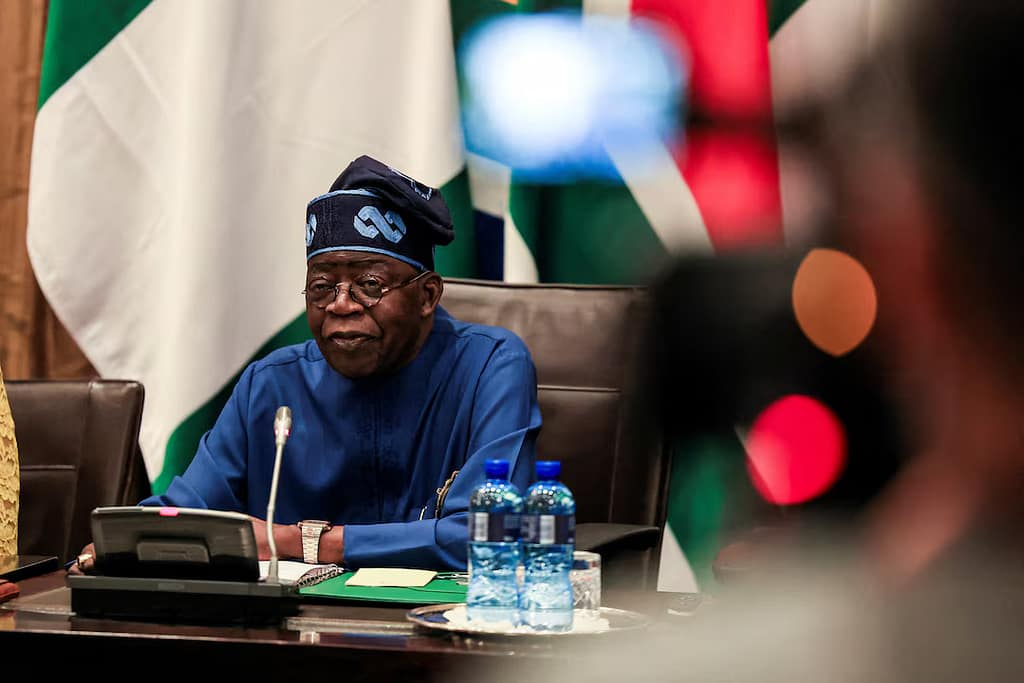
President Tinubu’s posthumous pardon formally exonerates the Ogoni Nine of the charges that led to their executions, marking official recognition that their trial was deeply flawed and unjust. The pardon is being hailed by many human rights groups and environmental activists as a significant step towards reconciliation and acknowledgment of historical wrongs.
Tinubu stated that the pardon “serves as a testament to our nation’s commitment to justice and the rule of law,” and expressed hope that it would “contribute to healing and unity in the Niger Delta and across Nigeria.”
The Controversy
Despite the positive reception by some quarters, the pardon has also ignited controversy and debate. Critics argue that while the pardon is symbolic, it fails to address the broader issues that remain unresolved, such as ongoing environmental degradation, lack of adequate compensation for affected communities, and continued tensions in the Niger Delta.
Some have questioned the timing of the pardon, suggesting it may be politically motivated ahead of upcoming elections. Others feel the government should couple such symbolic acts with more concrete policy actions to protect the environment and improve the livelihoods of marginalized communities in the Niger Delta.
Moreover, there is skepticism regarding the accountability of the oil companies implicated in the environmental damage. Activists insist that the pardon should not absolve corporations or government officials from responsibility, and they call for greater transparency and enforcement of environmental regulations.
Reactions from the Ogoni Community
The families of the Ogoni Nine have expressed mixed feelings. While some welcome the pardon as a long-overdue acknowledgment of injustice, others see it as insufficient without tangible reparations or serious commitments to environmental restoration.
Community leaders emphasize that the struggle initiated by their forebears continues, highlighting ongoing challenges such as oil spills, water contamination, and poverty. They urge that the pardon should be a catalyst for sustained efforts to rights and improve living conditions in Ogoniland.
International Perspective
Internationally, the pardon has been noted as a positive development. Human rights organizations have commended Nigeria for addressing a dark chapter in its history. At the same time, they stress that justice involves not only symbolic gestures but also real accountability and systemic change.
The United Nations had previously called for environmental remediation in Ogoniland and for the Nigerian government to take stronger action to protect the rights of indigenous communities affected by oil exploitation.
Conclusion
President Tinubu’s posthumous pardon of the Ogoni Nine is a landmark act that revives attention to the long-standing issues faced by the Niger Delta region. It serves as a reminder of the sacrifices made by those who fought for environmental and social justice and challenges the Nigerian government and international stakeholders to do more than just acknowledge past wrongs.
The hope remains that this pardon will usher in a new era of justice, environmental stewardship, and inclusive development for the Ogoni people and the entire Niger Delta – transforming a legacy of pain into one of healing and progress.