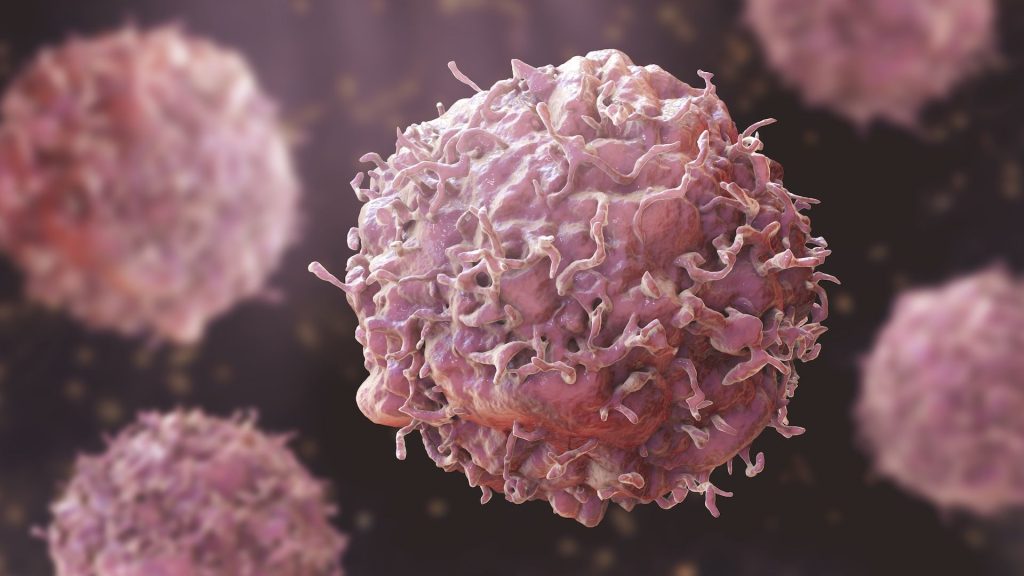
February 4 is globally recognised as World Cancer Day. It is a day that serves as a universal reminder of the battle against cancer; particularly to advocate for improved prevention, detection and treatment, and to highlight innovative solutions.
The theme for this year, “United by Unique”, is a sharp reminder that while cancer is a collective disaster, the struggle to survive it is a lonely, expensive and often broken journey. The “unique” part of the campaign focuses on person-centered care, and the attendant challenges.
Globally, new cancer cases are projected to rise to nearly 30 million by 2040, according to the International Agency for Research on Cancer, IARC, driven by ageing populations, lifestyle changes and environmental exposures. The IARC also predicts that by 2040, one in every two persons will be diagnosed with cancer in their lifetime.
In Nigeria, cancer is a major public health challenge, bearing the second highest proportion (11 per cent) of cases and deaths (12 per cent) in Africa. Currently there are approximately 125,000 persons diagnosed annually, of which at least 80,000 die.
The World Health Organisation reveals that more than two million Nigerians have some form of invasive cancer, the hardest hitting being breast, prostate, cervical, liver and colorectal cancers.
More people are diagnosed with cancer at advanced stages because so many people in Nigeria still have a denial attitude out of belief that cancer is a “White man’s disease” or a demonic attack.
Late presentation is one of the most crucial factors responsible for cancer deaths in Nigeria. From studies, over 70 per cent of cancer patients present at a late stage when treatment becomes more complex, more expensive and far less effective.
The Global Burden of Disease 2020 Study on the Index of effective coverage of health services in 204 countries and territories, published in The Lancet, established that, compared to global benchmarks, Nigeria’s healthcare system treats fewer than 30 percent of the population needing specific services for cancers of the breast, cervix, uterus, colon and testicles.
Certainly, improving access to cancer care and other critical illnesses should be a key priority. Agencies and centres such as the National Institute for Cancer Research and Treatment, NICRAT, established in 2023 and the National Strategic Cancer Control Plan (2023–2027), should be better positioned to bridge existing gaps. Addressing the financial barriers, high out-of-pocket costs, as well as critical shortage of oncology specialists, radiotherapists and specialised nurses are non-negotiable.
Prioritising, strengthening and expanding Public-Private Partnerships, PPP, initiatives such as the NSIA-LUTH Cancer Centre, and expanding the National Health Insurance Scheme, are measures that will ensure that cancer care is widely available and accessible.
Cancer control must be centrally coordinated and the Federal Ministry of Health must take up the role, recognising the urgent need for the institution of a policy for mandatory free annual screening checks at local, state and national levels.
World Cancer Day shouldn’t just be a celebration, but a firm path to cancer prevention and control.
The post Cancer: Bridging the survival gap appeared first on Vanguard News.