What’s Happening?
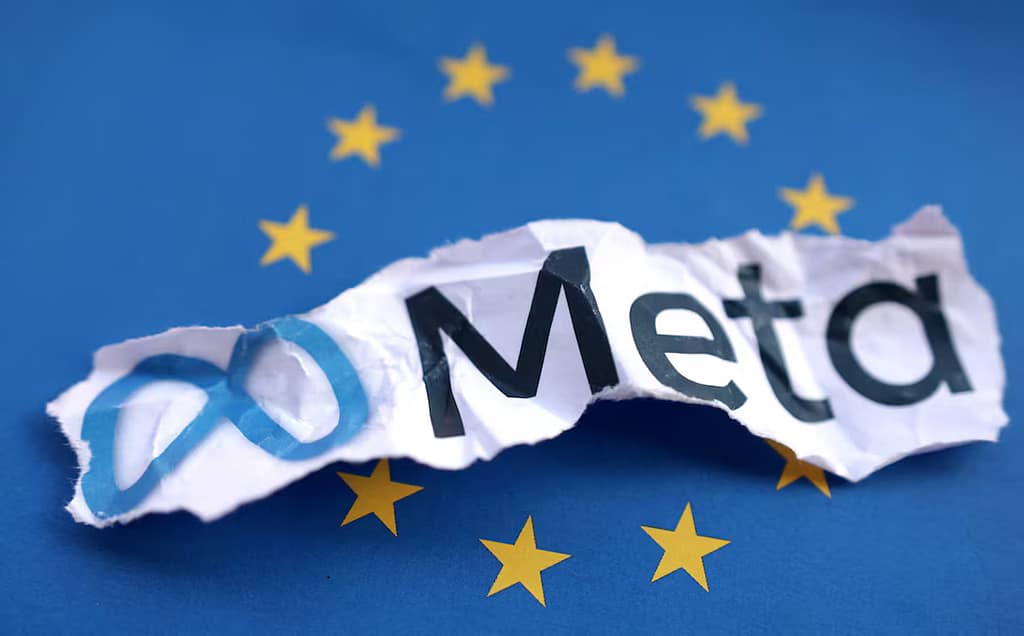
In June 2025, the European Commission confirmed that Meta Platforms (Facebook, Instagram) has made only limited changes to its “pay-or-consent” model — a system Meta introduced in November 2024 across the EU in response to privacy regulations.
Under this model, users are given two options:
- Pay a subscription fee (around €9.99/month) to use Meta platforms without ads.
- Use the platforms for free — but consent to ad tracking and data collection.
This has raised serious questions about whether the consent Meta collects under this model is freely given, as required under the General Data Protection Regulation (GDPR) and EU competition law.
Why the EU Is Concerned
The European Commission, acting under antitrust law, is worried that:
- Users are not truly free to choose — because denying consent comes at a financial cost.
- Meta is using its dominant market position to coerce users into sharing data.
- This undermines the spirit of data protection law, even if it technically skirts the letter.
A non-compliance decision was already issued earlier in 2025, demanding corrective action. Meta’s recent “limited changes” haven’t convinced the Commission that it has done enough.
What the EU Might Do Next
Because the Commission is not satisfied, it warned that Meta could face:
- Periodic penalty payments, starting from June 27, 2025
- Further legal action, possibly leading to fines of up to 10% of global turnover if serious violations are confirmed
- A formal order requiring a more user-friendly, non-coercive consent system
This sets up a major test case for how EU antitrust law intersects with digital privacy and big tech’s business models.
What Meta Says
Meta has defended its approach by saying:
- The model gives users a clear, binary choice.
- Subscription-based alternatives are common in the media and app economy.
- It believes it is in compliance with both GDPR and the DMA (Digital Markets Act).
But critics argue that the power imbalance between Meta and its users makes the “choice” illusionary — especially since few users are willing or able to pay to avoid ads.
Why This Matters
This battle touches on three huge issues:
- User autonomy: Is it fair to make privacy a premium feature?
- Big Tech accountability: Will Europe hold firms like Meta to real legal standards?
- Precedent-setting power: The outcome may influence how other platforms handle consent and data monetization across the EU.
What to Watch
- Whether the EU escalates to formal penalties
- If Meta proposes further concessions
- How other tech giants (like TikTok, Google) respond or adjust their own models
- The potential for new court battles that define the limits of GDPR and the Digital Markets Act enforcement