Words can build worlds, and they can tear them apart. Somewhere in the delicate balance between rhetoric and reality lies the heart of a dramatic assertion recently made in court. With sober intensity, the Department of State Services (DSS) turned the spotlight onto Nnamdi Kanu, alleging a potent, destructive link: that the volatile climate and tragic unrest gripping the South-East are not just a coincidental backdrop to Kanu’s activities, but the direct, devastating consequence of his deliberate incitement. The courtroom, it seems, is now tasked with deciphering how much power lies in a leader’s voice, and what price a region pays for its echo.
Table of Contents
- DSS Alleges Kanu’s Inciting Symphony Played Out in Southeast Violence
- Tracing the Troubling Echo: The Alleged Mechanics of Rhetoric Fuelling Anarchy
- The Crucible of Justice: Legal Ramifications and the Quest for Regional Stability
- Beyond the Courtroom: Charting a Path for Accountability and Reconciliation
- Concluding Remarks
DSS Alleges Kanu’s Inciting Symphony Played Out in Southeast Violence
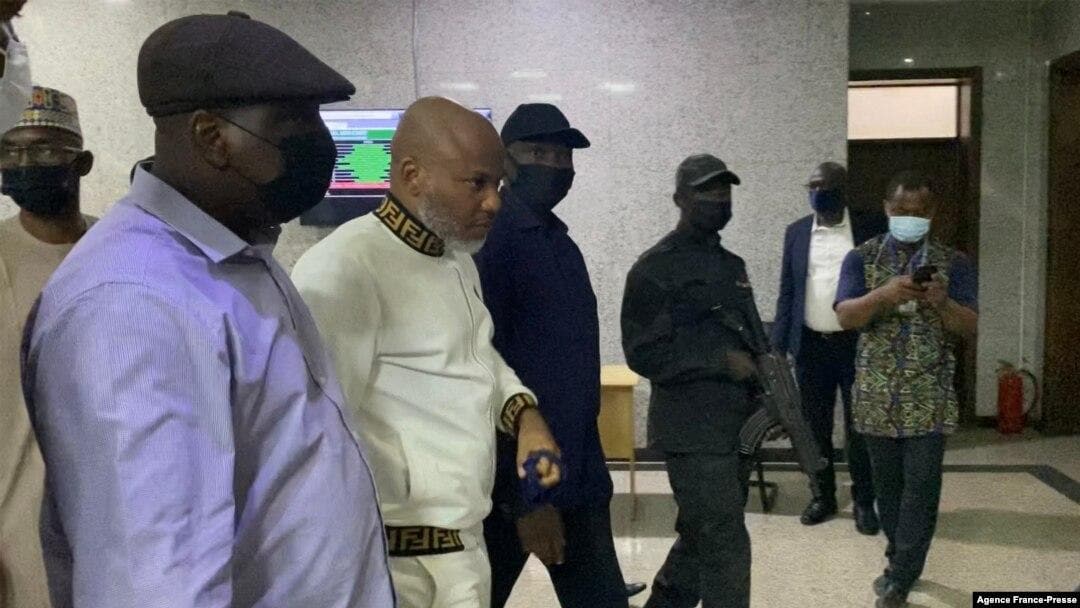
Before the court, authorities painted a stark picture, zeroing in on specific broadcasts and pronouncements attributed to the IPOB leader. At the core of their submission was the assertion that these words weren’t mere rhetoric, but carefully orchestrated calls to action, a “symphony” that allegedly resonated far beyond screens and speakers, translating into tangible unrest across the Southeast. The argument presented suggests a direct causal link, claiming that each utterance, each directive, served as a catalyst, pushing individuals towards confrontations and disturbances that tragically escalated into widespread violence and instability in the region. The chilling allegation is that the rhythm of his words directly fueled the chaotic beat on the streets.
This narrative, laid out under judicial scrutiny, pointed to a pattern of communication allegedly designed to provoke and incite. The DSS detailed instances where, they claim, Kanu’s broadcasts provided blueprints or mandates for disruptive activities. Examples highlighted included specific calls for boycotts, directives regarding enforcement tactics, and condemnations that, according to the prosecution, emboldened followers to engage in unlawful acts and challenge state authority through violent means. The submission essentially posits that his influence, propagated through various channels, created an environment where peace eroded, supplanted by fear and conflict.
| Alleged Command (DSS Claim) | Alleged Outcome (DSS Claim) |
|---|---|
| “Enforce Sit-at-home” | Market closures, mobility restrictions |
| “Renounce Nigeria” | Attacks on national symbols |
| “Defend Territory” | Clashes with security forces, civilian casualties |
| “Target Collaborators” | Violence against specific individuals |

Tracing the Troubling Echo: The Alleged Mechanics of Rhetoric Fuelling Anarchy
The complex choreography from spoken word to street action is a subject of intense scrutiny, particularly when authorities allege a direct causal link. Within the courtroom’s sterile environment, the narrative presented paints a picture of language not just as communication, but as a catalyst – a deliberate sequence of pronouncements allegedly designed to resonate through communities, picking up velocity and converting latent energy into kinetic force. It’s the difficult task of determining where impassioned speech ends and where the alleged architecture of violent incitement begins. The assertion is that certain vocal patterns, amplified across various platforms, acted as sonic triggers, creating a ‘troubling echo’ that purportedly morphed from abstract grievance into tangible, destructive acts across the South-Eastern landscape.
Investigators often seek to deconstruct this process, attempting to isolate the specific rhetorical devices or thematic repetitions considered most potent. The alleged methodology involves identifying key alleged components of the message and tracing their diffusion. This isn’t just about the words themselves, but their alleged delivery, frequency, and the context in which they were allegedly broadcast. Authorities posit that the alleged ‘mechanics’ included a calculated blend of historical grievance, future promises, and stark calls to action, aimed at fostering a sense of collective righteousness and urgency. These elements, woven into a narrative fabric, are believed by prosecutors to have created a receptive environment for the purported outcome:
- Alleged Amplification: Utilizing specific media channels for maximum reach.
- Alleged Thematic Repetition: Constantly reiterating core messages or grievances.
- Alleged Emotional Appeal: Tapping into shared sentiments of frustration or historical injustice.
- Alleged Call to Action: Direct or indirect instructions for desired behaviour.
This model suggests a deliberate chain, where the initial rhetoric serves as the spark, and subsequent actions are viewed as the intended consequence of a carefully constructed acoustic weapon.
| Alleged Component | Purported Mechanism | Stated Alleged Outcome |
|---|---|---|
| Charged Language | Emotional Connection | Increased Grievance |
| Historical Narratives | Identity Reinforcement | Group Solidarity |
| Future Promises | Motivational Vision | Mobilization Potential |

The Crucible of Justice: Legal Ramifications and the Quest for Regional Stability
Within the austere chamber of the court, a crucible is heated. The stark claim placed before the judges – that words, specifically those attributed to Nnamdi Kanu, became the tinder for violence across the South-East – elevates this trial beyond a mere legal proceeding. It thrusts it into the heart of a profound question: where does dissent end and incitement begin? The legal ramifications are seismic, challenging the delicate balance between free expression and national security. Each piece of evidence, each argument presented by the Department of State Services (DSS), is scrutinised under the harsh light of judicial review, potentially setting precedents. This battle of narratives within the courtroom walls illustrates the grave consequences of alleged actions and the immense responsibility resting on the legal system to dissect intent and consequence.
This judicial crucible has far-reaching tendrils, gripping the volatile fabric of regional stability. The verdict reached here, whether conviction or acquittal, will resonate deeply within communities weary from unrest and uncertainty. It casts a long shadow over the quest for peace in the South-East, influencing public trust in institutions and potentially shaping the trajectory of separatist sentiments. The legal outcome is intertwined with the political and social landscape, demanding careful consideration not just of guilt or innocence, but of the broader impact on reconciliation and order. Below is a simplified look at the possible paths emanating from this critical juncture:
| Potential Outcome | Regional Stability Impact | Underlying Question |
|---|---|---|
| Conviction Based on Incitement | May exacerbate tensions or be seen as a step towards order, depending on perception. | Accountability for alleged instigation vs. political grievance. |
| Acquittal / Procedural Dismissal | Could lead to renewed agitation or be a signal for dialogue, depending on the basis. | Burden of proof &; rights vs. security priorities. |
| Prolonged Legal Battle | Sustains uncertainty and keeps the issue potent; delays resolution. | Patience &; process vs. urgent need for peace. |
The path forward for the South-East is inextricably linked to the unfolding drama in the courts, highlighting how legal skirmishes can become proxies for deeper regional conflicts. A robust justice system, capable of navigating these complex claims fairly and transparently, is paramount to rebuilding trust and charting a course towards lasting stability.
Charting a Path for Accountability and Reconciliation
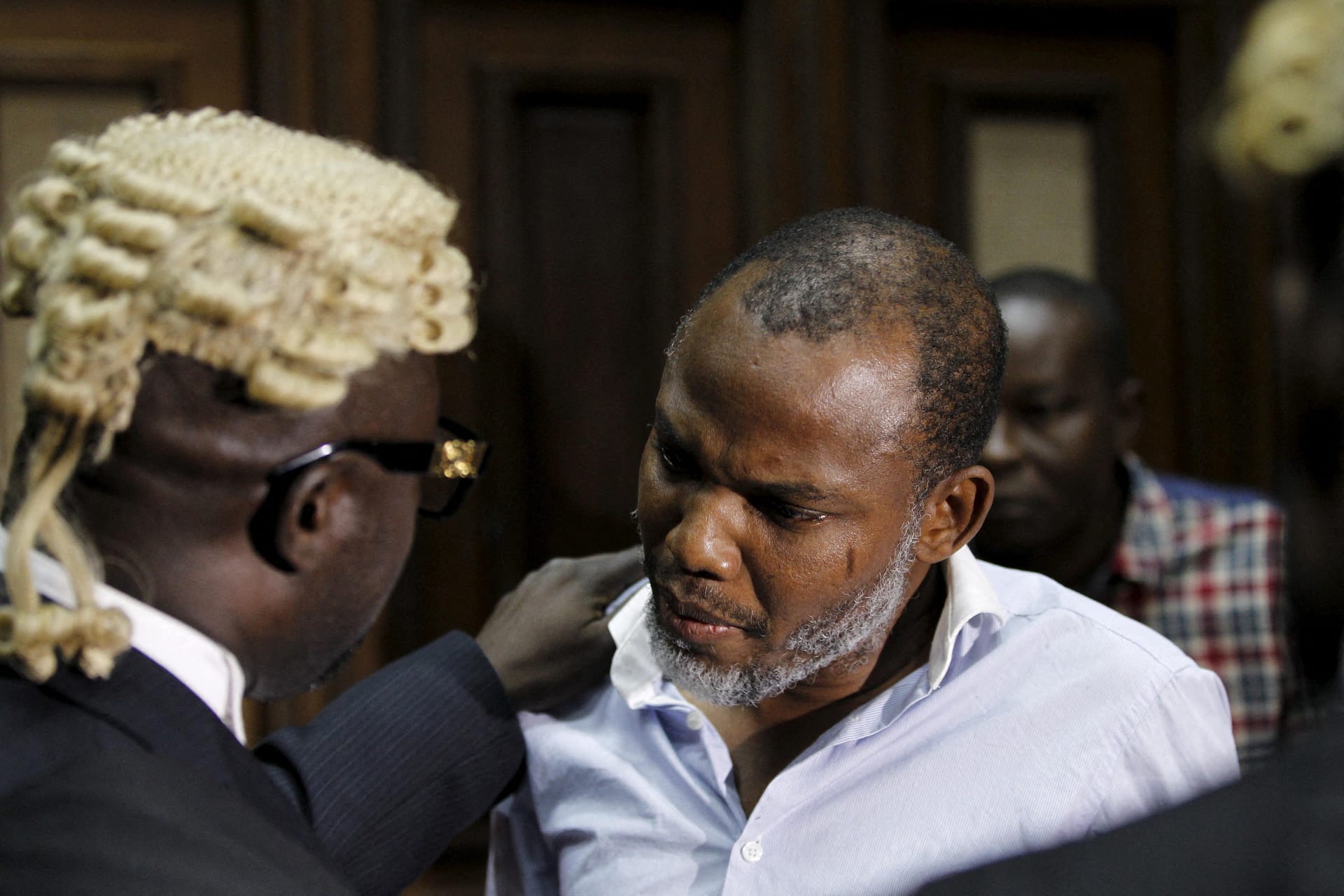
The courtroom testimony, while focused on establishing legal causality, peels back layers of a deeper societal wound. Allegations that specific statements ignited a fuse leading to bloodshed underscore the potent, sometimes devastating, impact of rhetoric in charged environments. It forces a confrontation with the complex interplay between words spoken from a distant platform and the boots-on-the-ground reality of violence. Moving beyond the strict confines of legal liability requires acknowledging not just who might be deemed responsible in law, but the broader context of grievances, mistrust, and marginalization that can make a region fertile ground for unrest. This isn’t just about a verdict; it’s about understanding the cascading effects of political action and inflammatory language on communities already under strain, leaving innocent lives shattered and trust eroded.
Charting a course forward from such painful episodes demands a multi-pronged approach that transcends punitive measures alone. Reconciliation isn’t a natural consequence of a courtroom ruling; it’s a deliberate, often arduous, process built on difficult conversations and genuine commitment. This path needs to address not just the perpetrators of violence, but the victims, the communities torn apart, and the underlying issues that fuel division. It involves platforms for truth-telling, mechanisms for restorative justice, and initiatives aimed at rebuilding social bonds shattered by conflict. The challenge lies in crafting a future where accountability isn’t solely defined by conviction or acquittal, but also by a collective effort to understand the past, heal the present, and ensure such cycles of violence are broken. This requires courage – the courage to forgive, to seek truth, and to build bridges across divides that seem insurmountable.
| Dimension | Focus Area |
|---|---|
| Legal Accountability | Due Process & Justice |
| Societal Healing | Community Dialogue |
| Restorative Measures | Victim Support & Reparations |
| Future Prospect | Addressing Root Causes |
- Understanding the narrative – multiple perspectives matter.
- Acknowledging the impact of grievances, both real and perceived.
- Investing in sustainable peace-building efforts at the grassroots.
Concluding Remarks
As the courtroom echoes with the gravity of the Department of State Services’ assertions, the saga of Nnamdi Kanu unfolds with profound implications for the Southeast and Nigeria at large. Whether viewed as a voice of resistance or a catalyst for discord, his words have undeniably stirred the waters, shaping narratives of identity, justice, and peace. Amid the tension and turmoil, one truth remains clear: the power of speech carries the weight not only of intention but of consequence, reminding us all that the path to unity must be paved with responsibility and dialogue rather than division and unrest.